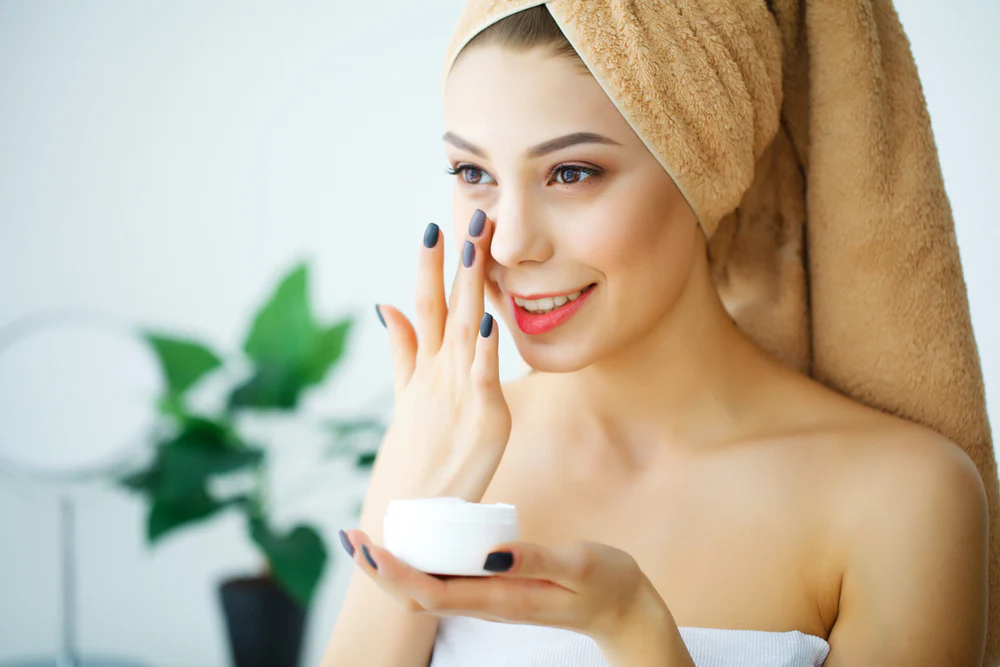
Modern Skin Care has evolved into an evidence based discipline that blends dermatology, biochemistry, environmental science, and personalized wellness. While many people associate Skin Care with surface level treatments, the deeper purpose is to influence how the skin functions at a cellular level. The right ingredients and routines improve barrier strength, collagen maintenance, pigmentation control, microbial balance, and long term resilience. As consumers become more educated, the need for scientifically grounded approaches grows even more essential.
Skin Care also plays a central role in how the body adapts to climate, stress, aging, and lifestyle demands. When routines are structured with intention, the skin becomes smoother, healthier, more responsive, and more resistant to long term damage. Surface appearance is simply the outward expression of internal processes working correctly.
Understanding How the Skin Operates as a Biological System
The skin is the body’s largest organ, and its responsibilities extend far beyond appearance. It protects the body from environmental threats, regulates temperature, communicates with the immune system, and acts as a first line of defense against microbes.
The Structure of the Skin and How Each Layer Functions
The skin contains three main layers, each with distinct roles.
- The epidermis creates a protective barrier, regulates hydration, and houses pigment producing cells
- The dermis contains collagen, elastin, and blood vessels that support strength, flexibility, and healing
- The subcutaneous layer cushions the body and regulates temperature
Effective Skin Care addresses all these layers, not just the surface.
The Skin Barrier and Why It Controls Overall Skin Health
The barrier protects the skin from pollution, bacteria, and moisture loss. When the barrier is weakened, individuals experience:
- Dryness
- Sensitivity
- Redness
- Higher risk of breakouts
Maintaining barrier health is one of the most important aspects of modern Skin Care.
The Microbiome and Its Impact on Balance
The skin microbiome includes beneficial bacteria that fight harmful pathogens and support immune defense. Healthy skin maintains a balanced microbiome through:
- Gentle cleansing
- Adequate moisture
- Barrier supportive ingredients
A disrupted microbiome contributes to irritation, breakouts, and inflammation.
Key Elements That Shape an Effective Skin Care Routine
A structured routine includes cleansing, treatment, moisturizing, and protection. Each step has a scientific purpose and contributes to long term improvement.
Cleansing as the Foundation of Skin Health
Cleansing removes sweat, excess oil, environmental pollutants, and product buildup. Proper cleansing:
- Prevents clogged pores
- Supports the barrier
- Creates a clean surface for active ingredients
Gentle cleansers help avoid over stripping, which can lead to irritation and increased oil production.
Treatment Products and How They Transform Cellular Function
Treatment steps deliver targeted ingredients to address specific concerns such as aging, pigmentation, or acne. Common categories include:
- Exfoliating acids that promote cell turnover
- Vitamin C for brightening and collagen support
- Retinoids for fine lines and texture
- Niacinamide for redness and oil regulation
- Peptides for firmness and elasticity
Choosing the right treatment depends on skin type, sensitivity, and goals.
Moisturizers and the Importance of Hydration
Moisturizers prevent water loss and maintain soft, resilient skin. Effective moisturizers include:
- Humectants that draw moisture
- Emollients that soften texture
- Occlusives that lock hydration in
Hydrated skin heals faster, ages slower, and shows fewer lines.
Sun Protection as a Daily Non Negotiable
UV exposure accelerates aging, disrupts collagen, triggers pigmentation, and increases cancer risk. Daily sunscreen:
- Protects DNA from damage
- Reduces dark spots
- Preserves elasticity
It remains the most impactful step in any Skin Care routine.
Advanced Ingredients Driving Modern Skin Care
Ingredient research continues to expand, offering new technologies that target skin concerns more precisely.
Retinoids and Vitamin A Derivatives
Retinoids encourage rapid cell turnover and stimulate collagen production. They remain one of the most clinically supported anti aging ingredients. Key benefits include:
- Smoother texture
- Reduced wrinkles
- Improved pigmentation
- Fewer breakouts
Vitamin C and Antioxidants
Vitamin C supports brightness and protects the skin from environmental damage. Antioxidants neutralize free radicals created by UV exposure, pollution, and stress. Combined antioxidant blends provide broader protection.
Ceramides and Barrier Strengthening Ingredients
Ceramides rebuild the protective barrier and prevent moisture loss. When paired with cholesterol and fatty acids, they restore the skin’s natural structure and reduce irritation.
Hyaluronic Acid and Multi Depth Hydration
Hyaluronic acid binds water and helps the skin remain plump. Newer multi weight complexes hydrate multiple layers of the skin at once, improving elasticity and softness.
Peptides for Firmness and Elasticity
Peptides communicate with cells to support collagen, elastin, and tissue repair. Specific peptide structures target firmness, smoothness, and resilience.
Skin Care and Environmental Interaction
Environmental exposure has a significant effect on how the skin behaves and ages.
Pollution and Oxidative Stress
Pollutants trigger inflammation and weaken the barrier. Antioxidants, proper cleansing, and sunscreen protect against these daily stressors.
Climate and Humidity Shifts
Seasonal changes influence hydration levels, oil production, and sensitivity. Skin often requires:
- Richer moisturizers in winter
- Lighter formulas in summer
- Hydration boosters during dry air exposure
Blue Light and Indoor Exposure
Increasing screen time raises concerns about blue light exposure. Some studies suggest blue light may accelerate pigmentation and oxidative stress, making antioxidants even more valuable.
Designing a Personalized Skin Care Blueprint
No two individuals share identical skin needs. Personalization ensures that routines address unique biological factors.
Identifying Skin Type and Skin Concerns
Skin types include:
- Oily
- Dry
- Combination
- Normal
- Sensitive
Concerns may involve acne, discoloration, lines, redness, or rough texture.
Layering Products for Optimal Effectiveness
Layering follows this order:
- Cleanser
- Toner or essence (optional)
- Water based serums
- Cream based serums
- Moisturizer
- Sunscreen (morning only)
This structure ensures active ingredients penetrate effectively.
Adapting Routines Over Time
Skin changes due to:
- Age
- Hormones
- Environment
- Stress
Regular evaluation helps maintain results and respond to emerging needs.
Lifestyle Factors That Support Strong Skin Health
Skin Care extends beyond topical products. Internal health and daily habits influence complexion quality.
Nutrition and Hydration
Key nutrients include:
- Healthy fats for barrier support
- Antioxidant rich fruits and vegetables
- Protein for tissue repair
- Adequate water for hydration balance
A nutrient dense diet amplifies product effectiveness.
Sleep and Stress Regulation
During sleep, the body repairs damaged cells and strengthens the barrier. Poor sleep increases inflammation. Stress also contributes to breakouts and sensitization, making relaxation essential.
Consistent Exercise and Circulation Support
Exercise improves circulation, bringing nutrients to the skin and supporting detoxification.
Special Topics in Skin Care Science
Several advanced concerns require deeper understanding.
Hyperpigmentation and Melanin Regulation
Pigmentation is influenced by sun exposure, hormones, and inflammation. Treatments include:
- Vitamin C
- Niacinamide
- Retinoids
- Gentle exfoliating acids
Consistent sunscreen is the most critical factor in managing pigmentation.
Acne and Oil Regulation
Acne results from clogged pores, excess oil, and inflammation. Effective routines often combine:
- Gentle cleansing
- Salicylic acid
- Retinoids
- Niacinamide
Lifestyle factors such as sleep and stress also impact acne severity.
Aging and Collagen Decline
Collagen decreases naturally with age. To support collagen health, routines should include:
- Retinoids
- Antioxidants
- Peptides
- Hydrating agents
Healthy collagen is the foundation of firm, youthful skin.
FAQs
How long does it take to see results from a new Skin Care routine?
Most routines take six to twelve weeks to show noticeable results. Ingredients like retinoids and vitamin C often take consistent use over several months to deliver full benefits.
What is the best way to handle sensitive skin while still using active ingredients?
Introduce active ingredients slowly, starting with lower concentrations. Use barrier supportive ingredients like ceramides and hyaluronic acid. Spacing active products on alternate days also reduces irritation.
How can someone prevent clogged pores without over drying the skin?
Gentle exfoliation, light moisturizers, and consistent cleansing help prevent pore congestion. Over drying increases oil production, so a balanced approach is essential.
Do expensive products work better for Skin Care?
Effectiveness depends on ingredient quality, concentration, and formulation rather than price. Many affordable products provide excellent results when chosen correctly.
What should someone do if their Skin Care routine stops working?
Skin often adapts to routines. This may require rotating actives, increasing strengths, adjusting hydration, or responding to seasonal changes. Reevaluating every few months ensures continued improvement.
If you want, I can create a second Skin Care article focused on anti aging, acne management, product layering, or ingredient comparisons.
