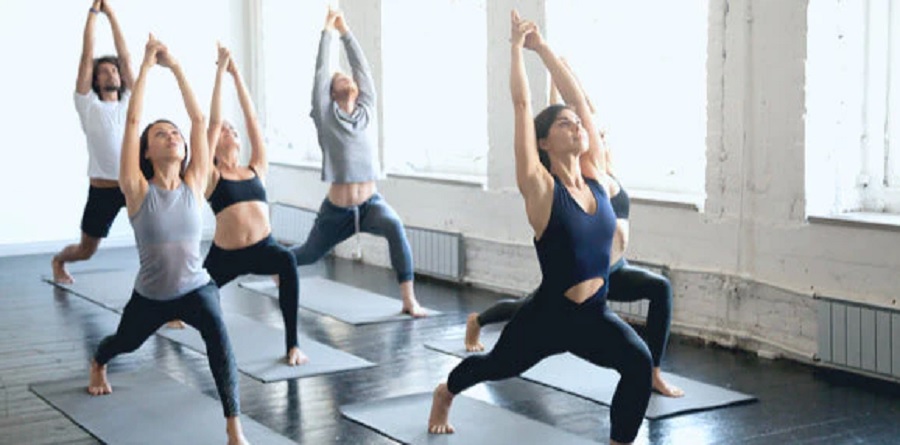
The connection between physical activity and mental well-being is undeniable. Yet, few practices bridge that gap as holistically as yoga classes. In recent years, mental health professionals have increasingly recognised yoga as a therapeutic tool for managing anxiety, depression, trauma, and chronic stress.
In Singapore, this integration is gaining traction as wellness platforms like Yoga Edition provide access to mindful practices that support both the body and the mind. But what exactly makes yoga such a potent complement to psychological care?
Understanding the Mind-Body Link
Therapists and counsellors often work with individuals whose mental struggles manifest physically—tight muscles, poor sleep, shallow breathing, or even chronic pain. Yoga addresses these symptoms at their root.
When practised regularly, yoga synchronises movement, breath, and attention, bringing the nervous system into a more balanced state. This process stimulates the parasympathetic response—calming the body and reducing the intensity of fight-or-flight reactivity.
Scientific Backing for Yoga and Mental Health
Several clinical studies confirm yoga’s ability to:
- Lower cortisol (stress hormone) levels
- Boost serotonin and GABA (mood-stabilising neurotransmitters)
- Improve heart rate variability (HRV), linked to emotional resilience
- Reduce symptoms of anxiety and depression
One meta-analysis published in the Journal of Psychiatric Practice highlighted that patients engaging in yoga showed significant reductions in anxiety symptoms compared to those receiving standard care alone.
What Makes Yoga Unique Among Other Exercises?
Unlike aerobic workouts or gym routines, yoga places equal emphasis on introspection and stillness. Its benefits are threefold:
- Physical – Enhanced flexibility, tension release, posture correction
- Emotional – Improved emotional regulation, reduced reactivity
- Cognitive – Increased focus, mindfulness, clarity of thought
By combining physical movement with meditative techniques, yoga strengthens both physiological and psychological resilience.
Yoga for Specific Mental Health Conditions
Let’s explore how different types of yoga classes cater to various emotional and psychological needs:
- Anxiety
Breath-focused styles like Hatha or Restorative Yoga slow the heart rate and soothe overactive thoughts. Gentle forward folds and grounding postures help signal safety to the nervous system.
- Depression
Energising flows such as Vinyasa or Kundalini stimulate endorphins and elevate mood. Backbends, heart-opening poses, and chanting exercises activate dormant emotional energy.
- Trauma and PTSD
Trauma-informed yoga is carefully curated to avoid triggering stimuli. It prioritises safety, consent, and body autonomy, helping individuals reconnect with their bodies in non-threatening ways.
- Burnout and Stress
Yin Yoga and Yoga Nidra (guided yogic sleep) help release chronic tension stored in the fascia, promoting deep rest and mental reset.
Case Study: A Therapist’s Journey Integrating Yoga
Dr Karen Lim, a licensed clinical psychologist based in Singapore, shares her experience:
“Many of my clients come to me emotionally exhausted. They feel disconnected from themselves. I began recommending yoga classes as part of their healing process. Over time, I saw improvements in emotional awareness, boundary-setting, and even sleep quality. The results were profound.”
She notes that when clients combine therapy with yoga, they tend to progress faster in emotional regulation and mindfulness.
The Role of Breath in Mental Health
Breathwork, or pranayama, is a central component of yoga that plays a crucial role in mental well-being. Techniques such as alternate nostril breathing, box breathing, and ujjayi breath help calm the mind and sharpen focus.
These tools are especially helpful for:
- Panic attacks
- Insomnia
- Attention-deficit symptoms
- Emotional dysregulation
Many therapists now incorporate breathwork into their sessions as a bridge between talk therapy and body-based awareness.
Yoga as a Complement, Not a Replacement
It’s important to acknowledge that yoga is not a substitute for clinical mental health treatment. However, it is a valuable adjunct. Therapists who embrace integrative care models often collaborate with yoga instructors to create holistic support systems for their clients.
The key is personalisation—choosing the right type of yoga, frequency, and pace suited to the individual’s therapeutic goals.
Creating a Mental Health-Friendly Yoga Practice
If you’re looking to use yoga to support mental well-being, here are some steps to get started:
Step 1: Identify Your Needs
Are you seeking calm, energy, or emotional release? Clarify what you want to address—anxiety, mood swings, low energy, or trauma.
Step 2: Choose the Right Class
Look for beginner-friendly, slow-paced formats initially. Trauma-informed or restorative classes are ideal if you’re emotionally overwhelmed.
Step 3: Work With Reputable Studios
Choose instructors who are aware of mental health sensitivities. Studios like Yoga Edition emphasise both professionalism and compassion in their approach.
Step 4: Pair With Professional Support
If you’re currently seeing a therapist, ask if yoga could complement your sessions. Coordinated care yields better long-term outcomes.
Step 5: Stay Consistent
Mental health benefits become more visible with regular practice—at least two to three times per week. Journalling your experience post-class can help track emotional shifts.
Common Questions About Yoga for Mental Health
Q1: Can yoga replace therapy or medication?
No. Yoga is a supportive practice but should not replace clinical interventions. It works best alongside professional treatment.
Q2: How soon can I expect to see changes in my mood?
Many people report feeling more relaxed after just one session, but sustained results typically appear after several weeks of consistent practice.
Q3: Is group yoga okay if I have social anxiety?
Yes, especially small classes. Alternatively, consider starting with private sessions or online classes to build confidence.
Q4: What if I feel emotional during class?
That’s completely normal. Yoga can release suppressed feelings. Let your instructor know if you need space or support.
Q5: How do I find trauma-informed yoga classes in Singapore?
Look for studios or instructors with certifications in trauma-sensitive yoga or mental health first aid. Reach out for trial options.
Final Thoughts
In an increasingly high-pressure society, the integration of yoga classes into mental health routines is not just a trend—it’s a necessity. With its unique blend of movement, mindfulness, and breathwork, yoga provides a grounded way to reconnect with one’s inner self.
For individuals navigating emotional stress, burnout, or psychological challenges, studios like Yoga Edition offer a sanctuary where healing can begin, one breath at a time.
