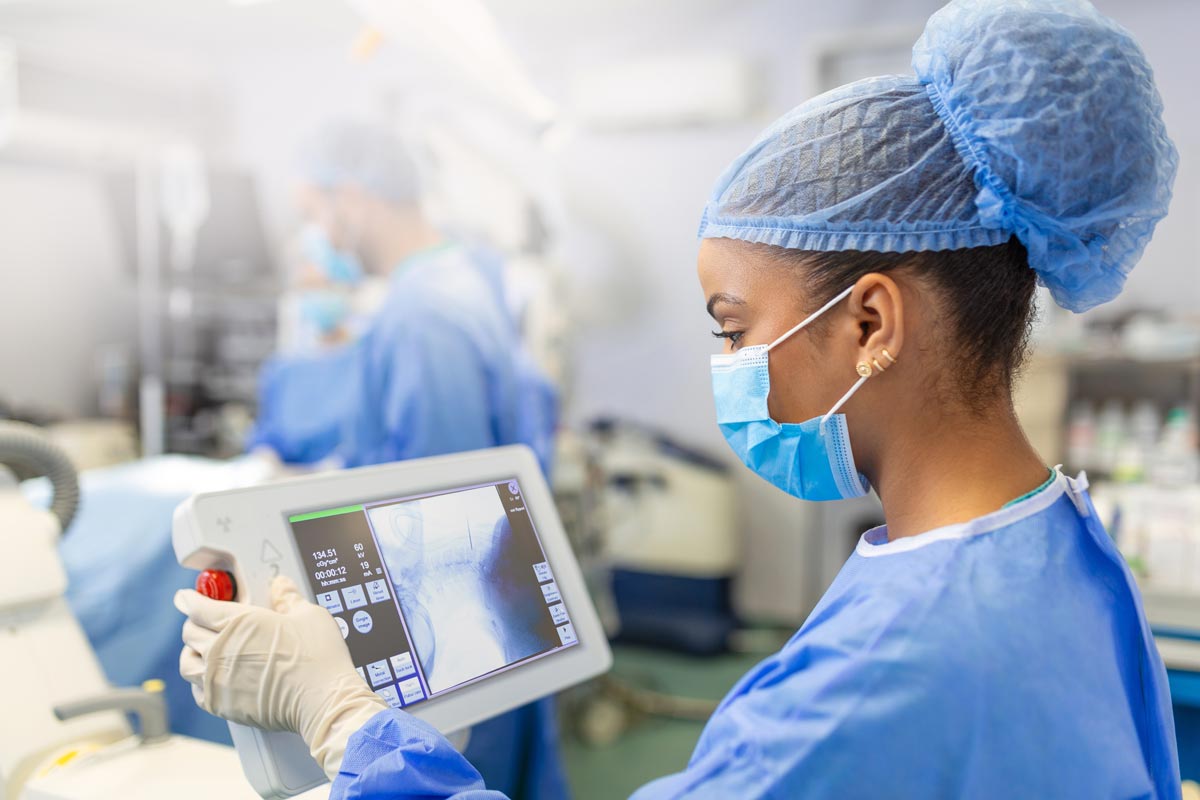
The field of Surgery has progressed into one of the most technologically advanced and scientifically grounded areas of modern medicine. While many people associate Surgery with complex procedures or emergency interventions, the reality is that it represents a highly structured discipline built on precision, anatomical understanding, and long term physiological guidance. In today’s medical environment, Surgery is not only a corrective measure but also a preventive, reconstructive, and life extending tool backed by decades of research and innovation.
Surgery continues to evolve as surgeons gain deeper understanding of tissue behavior, wound healing, minimally invasive techniques, and patient specific factors. The discipline now emphasizes reduced trauma, faster recovery, and improved functional outcomes. By examining the underlying science, procedural advancements, and patient management strategies, it becomes clear how deeply Surgery influences health, mobility, confidence, and longevity.
Understanding the Foundations of Surgical Science
Surgical practice relies on anatomical knowledge, clinical judgment, and techniques that protect the patient while achieving targeted results.
The Core Principles That Guide Surgical Practice
Every surgeon follows foundational principles designed to maintain safety and achieve predictable outcomes. These principles include:
- Respect for tissue integrity
- Maintenance of sterile technique
- Preservation of blood supply
- Minimization of trauma
- Detailed preoperative assessment
- Strategic incision planning
These guiding rules determine how a procedure is executed and how well a patient recovers.
The Relationship Between Anatomy and Surgical Precision
Surgical precision depends on a comprehensive understanding of:
- Organ structure
- Blood vessel pathways
- Nerve placement
- Tissue layers
This allows surgeons to perform targeted interventions while avoiding unnecessary damage. Anatomy functions as the roadmap for every incision, stitch, and structural adjustment.
The Importance of Perioperative Care
Perioperative care includes preoperative, intraoperative, and postoperative management. Proper planning helps reduce complications through:
- Comprehensive medical evaluation
- Medication adjustment
- Controlled anesthesia plans
- Infection prevention
- Wound care
Perioperative care is often just as important as the procedure itself.
Types of Surgical Procedures and Their Intended Outcomes
Surgery encompasses a wide range of procedures with varying purposes. Understanding these categories helps clarify how deeply surgical practice influences the healthcare system.
Reconstructive and Restorative Surgeries
These surgeries aim to restore function or appearance after injury, illness, or congenital conditions. Common examples include:
- Tissue reconstruction
- Bone alignment
- Structural correction
Reconstructive surgery helps patients regain mobility, confidence, and independence.
Minimally Invasive Procedures
Minimally invasive techniques use small incisions and specialized instruments to reduce trauma. Key benefits include:
- Faster recovery
- Less blood loss
- Lower infection risk
- Shorter hospital stays
These techniques are widely used due to their efficiency and patient centered outcomes.
Elective Surgeries
Elective procedures are planned in advance for functional or aesthetic reasons. Examples include:
- Structural corrections
- Non urgent organ procedures
Although elective, these surgeries require the same high level of precision and preparation as emergency cases.
Emergency and Trauma Surgery
Emergency surgeries address life threatening conditions. These procedures prioritize:
- Restoring blood flow
- Removing blockages
- Repairing ruptures
- Stabilizing fractures
Trauma surgeons handle critical scenarios where time and precision are essential.
Surgical Techniques Transforming Modern Medicine
Technological innovation has transformed the way surgeons approach complex procedures.
Robotic Assisted Surgery
Robotic systems enhance the surgeon’s movements by offering:
- High definition visualization
- Stabilized instrument control
- Access to small anatomical areas
This technique improves accuracy and reduces tissue damage.
Laparoscopic and Endoscopic Methods
These methods rely on cameras and small instruments inserted through tiny openings. They allow surgeons to:
- See detailed internal structures
- Perform delicate tasks with minimal disruption
- Reduce postoperative pain
Laparoscopy has reshaped abdominal, pelvic, and thoracic procedures.
Microsurgery for Ultra Precise Work
Microsurgery uses specialized magnification to repair extremely small structures such as:
- Nerves
- Tiny blood vessels
- Fine tissue layers
Microsurgical skill is essential for reconstructive work with high functional expectations.
Image Guided Surgical Navigation
Advanced imaging tools guide surgeons through complex anatomical pathways. Benefits include:
- Improved accuracy
- Reduced risk of structural damage
- Enhanced ability to reach deep tissues
These navigation systems support both minimally invasive and traditional techniques.
Patient Evaluation and Surgical Candidacy
Not every individual is an immediate candidate for surgery. Proper evaluation ensures safe and predictable outcomes.
Medical History and Risk Assessment
Surgeons review:
- Chronic conditions
- Previous procedures
- Medication use
- Allergies
- Lifestyle factors
This helps determine surgical risk and necessary precautions.
Diagnostic Imaging and Testing
Imaging tools such as CT scans, MRIs, and ultrasounds help surgeons understand structural issues before planning a procedure.
Preoperative Optimization
Preparation may involve:
- Improving nutrition
- Managing blood pressure
- Stabilizing blood sugar
- Adjusting medications
Optimized patients experience better results and fewer complications.
The Science of Healing and Post Surgical Recovery
Recovery plays a major role in long term success. Understanding how the body heals can help patients follow their postoperative instructions more effectively.
How Tissue Repair Occurs in Stages
Healing happens in phases:
- Inflammatory phase: Body responds to injury
- Proliferative phase: New tissue forms
- Remodeling phase: Strength and flexibility return
Understanding these phases helps set realistic expectations for recovery timelines.
The Role of Blood Flow in Surgical Healing
Healthy circulation supports:
- Oxygen delivery
- Waste removal
- Faster collagen repair
Poor circulation slows healing and increases risk of infection.
Infection Prevention and Wound Care
Proper wound care includes:
- Keeping the area clean
- Avoiding strain
- Watching for early signs of infection
- Following suture or dressing instructions
Preventing infection is critical for successful healing.
Physical Therapy and Functional Restoration
Many surgeries require rehabilitation to restore full range of motion and strength. Therapy helps:
- Reduce stiffness
- Strengthen muscles
- Rebuild mobility
- Prevent long term complications
Rehab is essential for optimal recovery.
Psychological and Emotional Dimensions of Surgery
Surgery affects more than the body. Emotional preparation and mental clarity influence outcome success.
Managing Preoperative Anxiety
Patients may experience stress before surgery. Effective strategies include:
- Clear communication with medical teams
- Mindfulness practices
- Support from loved ones
Calm, informed patients often recover more smoothly.
The Emotional Impact of Recovery
Recovery affects mood and motivation. Patients benefit from:
- Setting realistic expectations
- Following structured routines
- Celebrating small improvements
Support systems play a significant role in maintaining emotional balance.
How Surgery Influences Long Term Quality of Life
Surgery often improves life far beyond the initial healing period.
Restoring Mobility and Independence
Procedures that repair joints, bones, or tissues help patients regain normal function, increasing independence in daily activities.
Preventing Further Damage
Some surgeries prevent worsening conditions. Examples include procedures that stabilize organs, correct chronic issues, or remove harmful growths.
Enhancing Physical Comfort
Many patients experience reduced pain and improved comfort after structural issues are addressed.
Improving Appearance and Confidence
Reconstructive or corrective surgeries can restore appearance after injury or congenital differences, supporting emotional well being.
Innovations Shaping the Future of Surgical Practice
Ongoing research continues to elevate surgical outcomes.
Regenerative Medicine
Regenerative approaches explore how to restore tissue using:
- Stem cells
- Growth factors
- Bioengineered materials
These methods aim to improve healing and reduce scar formation.
3D Printing for Custom Surgical Tools
3D printing allows surgeons to create:
- Custom implants
- Anatomical models
- Personalized surgical equipment
This improves precision for complex cases.
Artificial Intelligence in Surgical Planning
AI assists with:
- Predicting outcomes
- Mapping surgical pathways
- Supporting decision making
This leads to more efficient and customized surgical strategies.
FAQs
How can someone prepare for major Surgery to improve recovery?
Patients benefit from improving sleep quality, maintaining hydration, optimizing nutrition, reviewing medications with their doctor, and staying active. These steps support stronger tissue function and enhance surgical resilience.
What determines whether a patient needs minimally invasive or traditional Surgery?
The choice depends on anatomy, procedure complexity, surgeon expertise, and the patient’s health status. Minimally invasive options are preferred when safe and feasible, but some conditions still require traditional methods.
How long should someone expect healing to take after a complex procedure?
Healing varies widely, but many major procedures require several weeks for basic recovery and several months for full functional restoration. Surgeons provide procedure specific timelines.
Is pain normal after Surgery, and how is it managed?
Some discomfort is expected, but pain management plans may include medication, ice therapy, positioning techniques, and controlled mobility. Effective pain control supports faster recovery.
What signs indicate that postoperative healing is not progressing correctly?
Worsening redness, fever, increased swelling, drainage with odor, or persistent pain may indicate infection or complications. Patients should contact their medical team immediately if these signs appear.
If you want, I can create another in depth article on robotic surgery, post operative recovery strategies, minimally invasive innovations, or advanced surgical planning methods.
