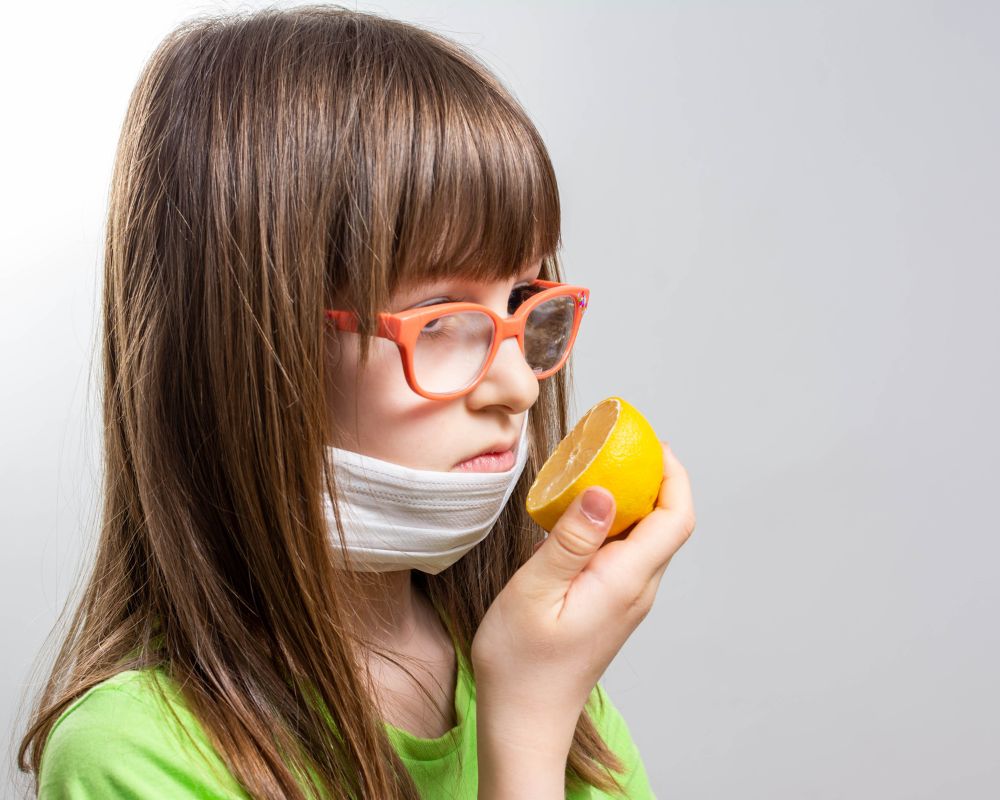
We have been hearing a lot in recent years about athletes choosing platelet-rich plasma (PRP) injections to return to competition more quickly following an injury. There have also been studies looking into PRP’s effectiveness at reducing the effects of aging on the skin. But now it appears as though PRP might help restore a loss of smell in long-COVID patients.
Researchers at Stanford University published the findings in their PRP study in early December 2022. Lead researcher Zara Patel has a keen interest in this particular area, having studied loss of smell related to viral infection for years. She and her colleagues are encouraged by what they learned from studying PRP injections.
Patients Reported Improvement
The small-scale study involved just 26 participants experiencing a loss of smell following a COVID-19 infection. The control group was given a placebo injection while the test group a standard PRP injection. The results were impressive.
According to the research data, members of the test group were 12.5 times more likely to report an improved sense of smell than the control group. The results are by no means conclusive, but they are indicative of the need for more research.
How It Might Work
Though there is still a lot we don’t know about PRP injections and other regenerative medicine therapies, we do know quite a bit about blood plasma and its constituents. What we know gives us a hint as to how PRP injections might improve a loss of smell.
As Patel pointed out in her research report, the loss of smell related to COVID-19 is neurological in nature. In other words, nerves damaged by the COVID infection are slow to regenerate – if they regenerate at all. PRP therapy comes into play specifically because the constituents of blood plasma are integral to the body’s ability to replace lost or damaged tissue.
PRP is a concentrated form of plasma that contains platelets, growth factors, and the nutrients required by the body to affect healing. Doctors produce PRP by taking blood from the patient and spinning it in a specialized centrifuge to concentrate platelets and growth factors.
According to the pain management doctors at Lone Star Pain Medicine in Weatherford, TX, the platelets and growth factors encourage the body to do what it’s supposed to do naturally: regenerate damaged and lost tissue.
Skeptical at First
Patel says she was skeptical about PRP injections at first. But prior to launching her COVID study, she ran across a study showing that PRP injections could be just as effective as surgery for treating carpel tunnel syndrome. Like COVID-related loss of smell, carpel tunnel syndrome is the result of nerve damage.
Common sense told Patel that PRP therapy should be able to do for long-COVID patients what it does for carpal tunnel patients. She launched her study and discovered just that.
The results of her research actually go further than just COVID-related loss a smell. They indicate that PRP injections really do accomplish what regenerative medicine proponents have been saying for more than a decade. This newly discovered link between PRP injections and restoring the sense of smell is good news to regenerative medicine practitioners who have had a challenging time convincing the medical community of the value regenerative therapies offer.
Now we wait to see if other researchers pick up the baton. If they do, PRP therapy could ultimately prove to be one of the best treatments for all types of neurological conditions. In turn, this could open the door for even more research into regenerative medicine as an alternative to Western pharmacology.
